
Parul University, India
Abstract:
Background: Cardiovascular diseases (CVDs) remain a leading global cause of morbidity and mortality, driven largely by modifiable risk factors such as diet, sedentary behavior, tobacco and alcohol use, and chronic psychosocial stress. Ayurveda, India's traditional system of medicine, offers a distinct etiological and preventive framework for Hridroga (cardiac disorders) grounded in dosha-dushya sammurchana, Agni (metabolic fire), and srotodushti (channel pathology), which may usefully complement contemporary preventive cardiology.
Methods: This conceptual review examines classical Ayurvedic texts (Charaka Samhita, Sushruta Samhita, Ashtanga Hridaya) alongside contemporary literature to map the Ayurvedic Nidana Panchaka (etiological factor-set) for Hridroga against modern cardiovascular risk factors, and to identify Ahara-Vihara (dietary-lifestyle) and Dravyaguna (pharmacological) interventions of translational relevance.
Results: Ayurveda attributes cardiac vulnerability to vitiation of Vyana Vayu and Sadhaka Pitta, aggravated Kapha-Meda (lipid) and Vata dosha, and disturbed Rasa-Rakta srotas, closely paralleling dyslipidemia, hypertension, and endothelial dysfunction. Recognized Nidana include Viruddhahara (incompatible diet), Atisnigdha-guru ahara (excess unctuous/heavy food), extremes of exertion, Ratrijagarana (sleep disruption), and Chinta-Shoka (psychoemotional stress) — overlapping substantially with the dietary, physical-activity, sleep, and mental-health domains of modern prevention. Dinacharya and Ritucharya (daily and seasonal regimens), Sattvavajaya Chikitsa (psychotherapeutic counselling), Yoga and Pranayama, and Hridya dravyas such as Arjuna, Pushkarmoola, Guggulu, and Rasona (garlic) show cardioprotective, hypolipidemic, and anxiolytic actions in emerging pharmacological studies, offering low-cost, scalable adjuncts to smoking cessation, salt reduction, and structured rehabilitation.
Conclusion: Integrating Ayurvedic Nidana-parivarjana (avoidance of causative factors), Achara Rasayana (behavioural rejuvenation), and evidence-informed Dravyaguna interventions into preventive cardiology could enrich community screening, digital-health coaching, and workplace-wellness models, supporting culturally adapted, sustainable cardiovascular risk reduction — particularly in resource-limited and South Asian settings.
Biography:
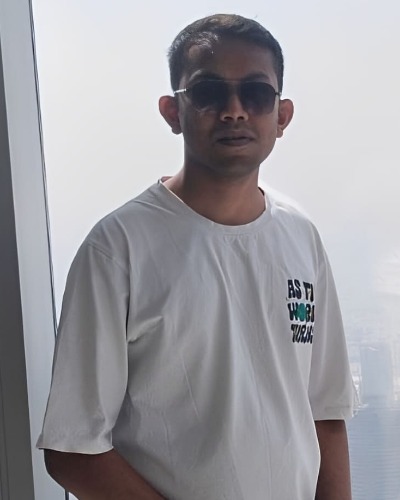
The presenting author holds an undergraduate degree in Ayurvedic Medicine (BAMS) and is currently pursuing an MD in Dravyaguna (Ayurvedic Pharmacology), with research interests in integrating classical Ayurvedic pharmacotherapeutics into contemporary preventive and lifestyle medicine. The author aspires to contribute to global traditional-medicine research and policy at the WHO Global Traditional Medicine Centre, Jamnagar.
© 2026 Mathews International LLC. All rights reserved.
