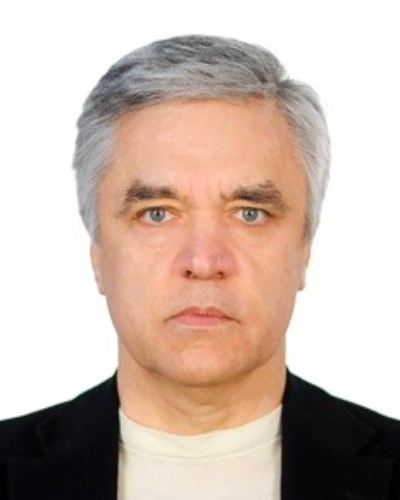
Vice-Director
N.D. Zelinskii Institute for Organic Chemistry of the Russian Academy of Sciences, Russian Federation
Abstract:
Personalized and Precision Medicine (PPM) and PPN-guided Cardiology Practice as a Unique Model via Translational Applications and Upgraded Business Modeling to Secure Human Healthcare, Wellness and Biosafety
Although Personalized & Precision Cardiology (PPC) is still in its nascent stage, new approaches and methodologies are developed to overcome technical and implementation barriers. PPC is an evolving strategy for disease prevention and tailored treatment that incorporates individual genetic, environmental, and experimental variability. Cardiovascular experts are well positioned to use PPC-related resources to make clinical research more efficient, with the goal of providing more precise information to improve the health of individuals and populations.
The pace of innovation in PPC is thus becoming fast including:
(i) the success of transcatheter aortic valve implantation for patients or per-sons-at-risk at lower levels of surgical risk, or procedures to ablate atrial fibrillation with high degrees of success, and other interventional procedures;
(ii) global shift from treating disease and preventing the secondary recurrence of cardiovascular events to the primary and even primordial prevention of cardio-vascular risk and the promotion of cardiovascular health;
(iii) the widespread advent of wearable and implantable technologies, allowing continuous monitoring of cardiovascular parameters;
(iv) nanotechnology and microfluidics, AI and related areas to become the most rapidly emerging areas of cardiovascular research and the most promising technologies for improving health care and health outcomes.
A major paradigm shift has become the increasing recognition of the potential therapeutic utility of the targeted drugs for cardiovascular diseases, whilst opening up new avenues of therapeutic implications. As PPM continues to drive targeted immunotherapy development and cardiac biomarker discovery for healthcare services, cardiologists could indeed see their own PPM-based renaissance very soon.
The above-mentioned areas being an integral part of PPM-related cardiac research is really an interdisciplinary field that results from the application of the innovative tools to medicine and has the potential to significantly improve some canonical treatments, prevention, prophylaxis and rehabilitation. Specifically, in the field of PPC, we expect to have a great impact in the near future due to its multiple ad-vantages, namely its versatility to adapt a drug to cohorts of patients and/or persons-at-risk.
PPM and PPC are thus poised to become the next great revolution in the daily practice, as well as in the maintenance of cardiovascular health and the prevention and cure of cardiovascular disease. PPM disrupts standard practice and draws from clinical testing, electronic health records, pan-omics profiling, big datasets, and novel analytical methods, to create a person-specific phenotype to identify an optimal intervention with minimal risk.
The promise of PPM and PPC is well understood but the newest tools will be needed for describing the cardiovascular health status of individuals and populations, including 'omics' data, exposomics and social determinants of health, behaviours and motivations, patient-generated data, and the array of data in EMRs. Cardiology and cardiac micro- and nanosurgery currently lead the way in PPC advancements, and health care under PPM-related armamentarium will become a more integrated, dynamic system, in which patients are no longer a passive entity on whom measurements are made, but instead are central stakeholders who contribute data and participate actively in shared decision-making.
Encompassing functional cardiology, integrative medicine, and metabolic medicine/cardiology, we would suggest an up-to-date, expert approach to heart health wellness and treating the diseased heart and blood vessels. The proposal would ideally be suited for practitioners who already incorporate integrative approaches in their practice, as well as more traditional clinicians who want to learn more about PPM and PPC as a growing area.
PPM will need to demonstrate that phenotype-based person-specific interventions are superior to the current standard of care and, ultimately, have a population effect by moving the mean on the disease spectrum towards Health. This is the reason for developing global scientific, clinical, social, and educational projects in the area of PPM to elicit the content of the new branch. In short, PPM will transform the way the physicians practice and will shake up the entire pharmaceutical value chain.
Biography:
Sergey Suchkov was born in the City of Astrakhan, Russia, in a family of dynasty medical doctors. In 1980, graduated from Astrakhan State Medical University and was awarded with MD. In 1985, Suchkov maintained his PhD as a PhD student of the I.M. Sechenov Moscow Medical Academy and Institute of Medical Enzymology. In 2001, Suchkov maintained his Doctor Degree at the National Institute of Immunology, Russia. From 1989 through 1995, Dr Suchkov was being a Head of the Lab of Clinical Immunology, Helmholtz Eye Research Institute in Moscow. From 1995 through 2004 - a Chair of the Dept for Clinical Immunology, Moscow Clinical Research Institute (MONIKI). In 1993-1996, Dr Suchkov was a Secretary-in-Chief of the Editorial Board, Biomedical Science, an international journal published jointly by the USSR Academy of Sciences and the Royal Society of Chemistry, UK.
At present, Dr Sergey Suchkov, MD, PhD, is: Director for Center of Biodesign of N.D. Zelinskii Institute for Organic Chemistry of the Russian Academy of Sciences, Moscow, Russia; Senior Scientific Advisor of China Hong Kong Innovation International Business Association, Hong Kong; R&D Director of InMedStar, Russia. Member of the: Russian Academy of Natural Sciences, Moscow, Russia; New York Academy of Sciences, USA; American Chemical Society (ACS), USA; American Heart Association (AHA), USA; European Association for Medical Education (AMEE), Dundee, UK; EPMA (European Association for Predictive, Preventive and Personalized Medicine), Brussels, EU; ARVO (American Association for Research in Vision and Ophthalmology); ISER (International Society for Eye Research)
© 2026 Mathews International LLC. All rights reserved.
