
Abstract:
A decrease in erythrocyte electrophoretic mobility serves as an important diagnostic marker of pathological conditions associated with impaired gas exchange, microcirculation, and tissue trophism, often leading to systemic hypoxia and deterioration of the patient's clinical status. This study investigates the potential of magnetite nanoparticles (MCS-B) to modulate these properties in a targeted and controlled manner. Erythrocytes were obtained from peripheral blood of practically healthy individuals and patients with clinical signs of toxemia. The physicochemical parameters of magnetite nanoparticles were studied using the magnetically controlled sorbent MCS-B. Erythrocyte electrophoretic mobility was measured using an electrophoresis apparatus according to the method of Burlakova et al. (1956). The optimal effective dose of MCS-B was determined by evaluating erythrocyte electrophoretic mobility at different blood-to-sorbent volume ratios (3:1, 2:1, 1:1). A novel approach is proposed to enhance erythrocyte electrophoretic mobility in patients with toxemia through treatment with magnetite nanoparticles. In vitro experiments demonstrated a statistically significant (p?<?0.001) increase - nearly threefold - in erythrocyte mobility following exposure to MCS-B, compared to untreated controls. The optimal efficacy was observed at a blood-to-nanoparticle ratio of 2:1. Furthermore, application of a constant magnetic field with an intensity of 200–250?kA/m for 2-3 minutes resulted in effective removal of residual nanoparticles from blood samples (p?<?0.001). The results highlight the biocompatibility and clinical potential of this nanomedical approach, which may serve as a basis for new therapeutic strategies in transfusion medicine, critical care, and regenerative therapy. The study addresses a pressing interdisciplinary challenge, bridging hematology, biophysics, and nanotechnology, with implications for both basic science and clinical implementation.
Biography:
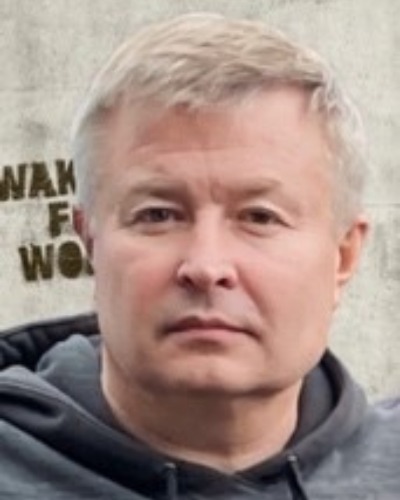
PhD, MD, Professor Andrey N. Belousov is Ukrainian medical scientist and pioneer in nanotechnology, who developed the world’s first biocompatible nanomedical drugs (Micromage-B, MCS-B, ICNB), officially registered and introduced into clinical practice since 1998. His work established a translational foundation for medical nanotechnology, linking fundamental biophysics with clinical applications in detoxification, hemocorrection, and neuroprotection. The published more 340 scientific works on results application of nanotechnology preparation in experimental and practical medicine. At now Andrey Belousov - the Head of Laboratory Applied Nanotechnologies, Professor of Kharkiv National Medical University, Ukraine.
© 2026 Mathews International LLC. All rights reserved.
