
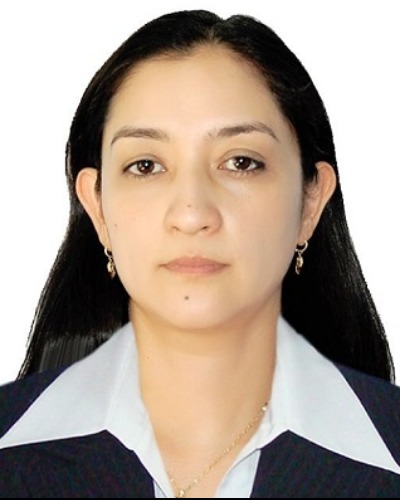
Researcher
Republican Specialized Scientific and Practical Medical Center for Therapy and Medical Rehabilitation, Uzbekistan
Abstract:
Background: Chronic heart failure (CHF) is a major contributor to global morbidity and mortality, and its progression is frequently complicated by cardiorenal syndrome—a bidirectional pathological interaction between the heart and kidneys. Endothelial dysfunction plays a central role in this process, largely mediated by reduced nitric oxide (NO) production due to impaired endothelial nitric oxide synthase (eNOS) activity. The T-786C polymorphism in the promoter region of the NOS3 gene, which encodes eNOS, has been implicated in reduced gene expression and NO synthesis, potentially worsening both cardiovascular and renal outcomes. This study aimed to evaluate the role of the NOS3 T-786C polymorphism in the onset and progression of renal dysfunction among Uzbek patients with CHF.
Methods: The study enrolled 200 Uzbek patients with clinically confirmed CHF (NYHA functional classes II–IV), aged 35–65 years. Patients were stratified by estimated glomerular filtration rate (eGFR): 110 had eGFR ≥ 60 mL/min/1.73 m² and 90 had eGFR < 60 mL/min/1.73 m². A control group of 120 conditionally healthy Uzbek donors was included, along with a subset of 40 matched healthy volunteers for biochemical comparisons. Genotyping of the NOS3 T-786C polymorphism was performed by PCR using commercial test kits, and serum NO levels were measured spectrophotometrically via the Griess reaction. Statistical analyses, including chi-square tests, odds ratios (ORs), and multiple regression, were conducted using SPSS and OpenEpi v9.2.
Results: Genotype distributions in both groups conformed to Hardy–Weinberg equilibrium. The C allele frequency was higher in CHF patients than in controls (35.5% vs. 28.3%; OR = 1.4, 95% CI: 0.98–1.97; P = 0.1), and the C/C genotype was more prevalent in patients with reduced eGFR compared to controls (15.6% vs. 10.8%). Serum NO concentrations were significantly lower in CHF patients with reduced eGFR (80.6 ± 10.7 nmol/mL) than in the reference group (109.6 ± 9.7 nmol/mL; P < 0.01). Multiple regression showed that eGFR was significantly influenced by age, blood pressure, and presence of the NOS3 C allele (β = –8.4; P < 0.01). Although differences in allele and genotype frequencies did not reach conventional statistical significance, a consistent trend toward association was observed.
Conclusion: The C allele of the NOS3 T-786C polymorphism is associated with reduced NO production and impaired renal function in patients with CHF, suggesting a potential genetic contribution to the pathogenesis of cardiorenal syndrome. While findings did not achieve statistical significance, they support further investigation with larger cohorts and multivariate models to clarify the polymorphism's role in risk stratification and personalized management of chronic kidney disease in CHF patients.
Biography:
Tagaeva Dilnoza is a cardiac rehabilitation specialist specializing in the study of cardiac diseases and rehabilitation treatment methods. She has participated in 4 Republican projects in this area and published numerous papers on cardiac diseases. She is currently the acting head of the Rehabilitation Laboratory at the Republican Specialized Scientific and Practical Medical Center for Therapy and Medical Rehabilitation Tashkent.
© 2026 Mathews International LLC. All rights reserved.
