
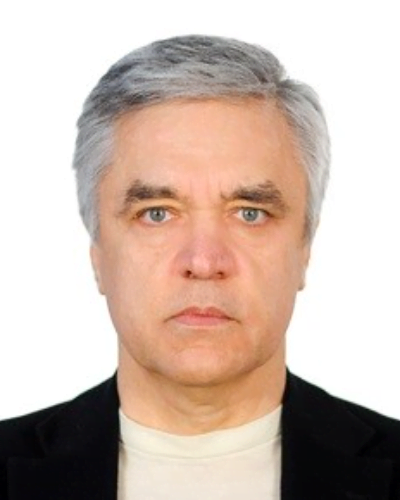
Vice-Director
N.D. Zelinskii Institute for Organic Chemistry of the Russian Academy of Sciences, Russian Federation
Abstract:
Cell-based therapy holds great potential to address unmet medical needs and revolutionize the healthcare bioindustry, as demonstrated by CAR-T cell therapy and stem cell transplantation, and has been considered as a promising option in the treatment of ischemic heart disease. The formation of new cardiomyocytes (CMCs) within the injured myocardium has not been conclusively demonstrated. Consequently, the focus of research in the field has since shifted to SC-derived paracrine factors, including cytokines, growth factors, mRNA, and miRNA. Notably, both mRNA and miRNA can enter into the extracellular space or in soluble form or packed into membrane vesicles. SC-derived paracrine factors have been shown to suppress inflammation and apoptosis, stimulate angiogenesis, and amplify the proliferation and differentiation of resident cardiac SCs (rCSCs). Such features have led to exosomes being considered as potential drug candidates affording myocardial regeneration. The search for chemical signals capable of stimulating cardiomyogenesis is ongoing despite continuous debates regarding the ability of mature CMCs to divide or dedifferentiate, transdifferentiation of other cells into CMCs, and the ability of CSCs to differentiate into CMCs. Future research is aimed at identifying novel cell candidates capable of differentiating into CMCs. The observation that CSCs can undergo intracellular development with the formation of “cell-in-cell structure” and subsequent release of transitory amplifying cells with the capacity to differentiate into CMCs may provide clues for stimulating regenerative cardiomyogenesis. In this context, design-inspired bioengineering offers a cost-effective, easy-to-implement engineering tool that allows for strengthening the inherent favourable features of cells and confers them new functionalities. Moreover, leveraging bioengineering tools to tailor SCs to accommodate patients individual needs has become important for the development of SC-based treatment modalities.
Indeed, human SC-based therapy is extremely attractive for therapeutic development because they have direct pharmacologic utility in clinical applications, unlike any other adult cells. The human SC as a special entity is emerging as a new type of potential therapeutic agent of cellular entity in cell-based regenerative medicine, because human SC-based therapy derivatives have the potential for human tissue and function restoration that the conventional drug of molecular entity lacks.
Biography:
Sergey Suchkov was born in the City of Astrakhan, Russia, in a family of dynasty medical doctors. In 1980, graduated from Astrakhan State Medical University and was awarded with MD. In 1985, Suchkov maintained his PhD as a PhD student of the I.M. Sechenov Moscow Medical Academy and Institute of Medical Enzymology. In 2001, Suchkov maintained his Doctor Degree at the National Institute of Immunology, Russia. From 1989 through 1995, Dr Suchkov was being a Head of the Lab of Clinical Immunology, Helmholtz Eye Research Institute in Moscow. From 1995 through 2004 - a Chair of the Dept for Clinical Immunology, Moscow Clinical Research Institute (MONIKI). In 1993-1996, Dr Suchkov was a Secretary-in-Chief of the Editorial Board, Biomedical Science, an international journal published jointly by the USSR Academy of Sciences and the Royal Society of Chemistry, UK.
At present, Dr Sergey Suchkov, MD, PhD, is: Director for Center of Biodesign of N.D. Zelinskii Institute for Organic Chemistry of the Russian Academy of Sciences, Moscow, Russia; Senior Scientific Advisor of China Hong Kong Innovation International Business Association, Hong Kong; R&D Director of InMedStar, Russia. Member of the: Russian Academy of Natural Sciences, Moscow, Russia; New York Academy of Sciences, USA; American Chemical Society (ACS), USA; American Heart Association (AHA), USA; European Association for Medical Education (AMEE), Dundee, UK; EPMA (European Association for Predictive, Preventive and Personalized Medicine), Brussels, EU; ARVO (American Association for Research in Vision and Ophthalmology); ISER (International Society for Eye Research)
© 2026 Mathews International LLC. All rights reserved.
