
Abstract:
Background: Despite developments in revascularization, the mortality rate via cardiogenic shock (CS) caused by acute myocardial infarction (AMI) is still high. With the goal to preserve end-organ function, unload the left ventricle, and boost systemic perfusion, mechanical circulatory support (MCS) devices have been developed. The indications and clinical roles of widely used devices, such as the intra-aortic balloon pump (IABP), veno-arterial extracorporeal membrane oxygenation (VA-ECMO), and micro-axial flow pumps (mAFP/Impella), have been revised by recent randomized trials and guidelines.
Methods: Using all of the available scientific content from the provided presentation, a thorough synthesis of current evidence, updated guidelines, and device-specific clinical data was carried out. The outcomes of significant trials (IABP-SHOCK II, ECLS-SHOCK, ECMO-CS, and DanGer Shock), hemodynamic effects, selection criteria, and practical applicability in various healthcare settings were all given particular focus. In order to arrive at an integrated interpretation, both textual data and device-specific diagrams were analyzed.
Results: Routine IABP use in AMI-CS showed no mortality benefit and has been downgraded to a Class III recommendation, although it remains valuable in mechanical complications such as papillary muscle rupture and ventricular septal defect, and in resource-limited environments due to affordability, accessibility, and safety. VA-ECMO demonstrated no survival advantage when initiated early in AMI-CS and was associated with increased complications, restricting its role to salvage use in refractory shock or E-CPR scenarios. In contrast, the micro-axial flow pump received upgraded guideline support following the DanGer Shock trial, which showed a 26% relative mortality reduction at 180 days in rigorously selected STEMI-CS patients. Because enrollment criteria were narrow, only a minority of real-world patients meet eligibility, highlighting the importance of precision phenotyping and exclusion of non-salvageable physiology. Additional emerging strategies—such as ECPELLA for biventricular shock and modern RV support devices—offer complementary hemodynamic advantages.
Conclusions: In contemporary MCS management for AMI-CS, routine device application is being replaced by selective, physiology-driven support based on patient phenotype, shock severity, and resource context. IABP is still effective for some indications and low-resource settings, VA-ECMO is now only used for rescue, and mAFP is now the suggested course of treatment for carefully chosen STEMI-CS patients. Optimizing results requires careful patient selection, early identification of reversible physiology, and system-of-care strategies that take timing, expertise, and device availability into account.
Biography:
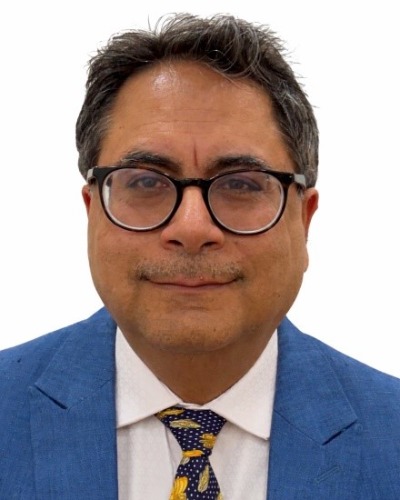
Dr Rohit Mody is a highly accomplished interventional cardiologist, academic leader, and healthcare entrepreneur with a strong national and international footprint. He serves as CEO of Mody Harvard Institutes & Research Centres and holds senior leadership roles across the Park Group and Clearmedi Group of Hospitals. Dr Mody has authored 99 peer reviewed publications, 15 editorial board memberships, and is actively involved in guideline-oriented research. He is a regular faculty at multinational cardiology conferences, delivering lectures and live-case teachings worldwide. His work focuses on complex coronary interventions, innovation, education, and expanding equitable, high-quality cardiac care across India and beyond.
© 2026 Mathews International LLC. All rights reserved.
