
Abstract:
Adult trauma patients with refractory acute cardiopulmonary failure suffer from high morbidity and mortality. In the past decade, a growing body of researches has shown survival benefits of extracorporeal membrane oxygenation (ECMO) in trauma patients who fail to respond to optimal damage control resuscitation (DCR), and there is an opportunity to formulate clinical practice guidelines to guide clinicians in implementing trauma ECMO at the bedside.
Methods: The Chinese Society of Extracorporeal Life Support (CSECLS) convened a domestic panel of interdisciplinary experts to develop this guideline, adhering to the principles of the World Health Organization (WHO) Manual for Guideline Development and the policy of conflict of interest. Clinical key questions pertaining to trauma ECMO use were informed from expert interviews and literature reviews, and formulated as PICO format for literature retrieval of original studies supporting the question. Then, panelists were assigned to address specific clinical questions, synthesize evidence, formulate recommendations and determine their strength, following the Recommendations Assessment, Development and Evaluation (GRADE) framework. The guideline steering committee and stakeholders approved the final document.
Results: Eleven recommendations regarding trauma ECMO use in adult patients were formulated, focusing on the following topics: (1) indications; (2) patient screening; (3) timing of initiation; (4) multidisciplinary approach; (5) trauma ECMO management; and (6) complication prevention. Supporting evidences are elaborated in detail, and expert opinions on clinical application and future research provided.
Conclusion: Although the quality of the body of evidence is low to very-low, most researches have shown that ECMO improves the survival of adult trauma patients with varied injury mechanisms. However, decision-making should consider the individual characteristics, benefits and potential harms, patients’ values and preferences, and long-term outcomes.
Key messages:
Pooled analyses demonstrate comparable survival benefits of ECMO in adult trauma patients with refractory acute cardiopulmonary failure caused by varied injury mechanisms, including polytrauma, traumatic brain injury, moderate to severe burn, and post-traumatic cardiac arrest. Success in trauma ECMO treatment includes the implementation of measures in the guidelines, involving appropriate patient selection, early ECMO initiation, multidisciplinary approach, trauma ECMO management, and complication prevention.
Biography:
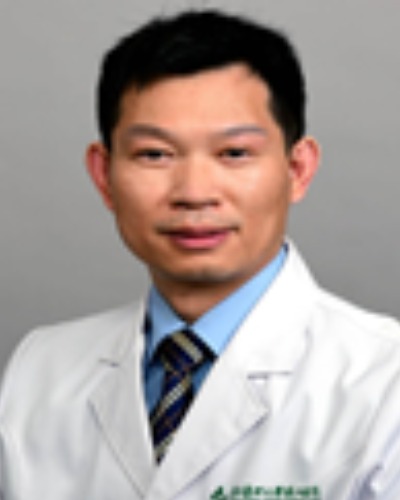
Zhanguo Liu, Director of the Department of Critical Care Medicine at Zhujiang Hospital, Southern Medical University, Executive Director of Zhujiang ECMO Treatment Center, Chief Physician, Doctoral Supervisor, Postdoctoral Supervisor, and Visiting Scholar at the University of California, San Diego (UCSD).
Copyright 2024 Mathews International LLC All Rights Reserved
